The social benefits of retirement villages

Retirement villages are hubs of social activity. From hobby and sport groups to community events and volunteering, retirement villages support an active, enriching lifestyle.
The social benefits of living in a retirement village are significant. Maintaining an active social life is essential for mental, emotional and physical wellbeing, especially during retirement.
Village Guide’s 2025 survey of 100 Kiwi retirement village residents revealed that ‘wanting more social connection’ was an important factor for 25% of respondents, in deciding to move into a retirement village. Once they’d made the move, 23% found social connection to be a ‘surprising benefit’ of village life.
Living in a retirement village provides:
- A sense of belonging
- Frequent social interaction
- Reduced risk of loneliness
- Physical and emotional wellbeing
- Opportunities for personal growth
- Intergenerational connections
Read on to find out more about these benefits, plus read some stories of friendship and connection from village residents throughout New Zealand.
A sense of belonging
After a lifetime of work and responsibilities, retirees often find themselves longing to connect with like-minded people who share similar life experiences. Retirement villages provide a supportive environment where residents can easily form friendships and feel a strong sense of belonging and camaraderie.
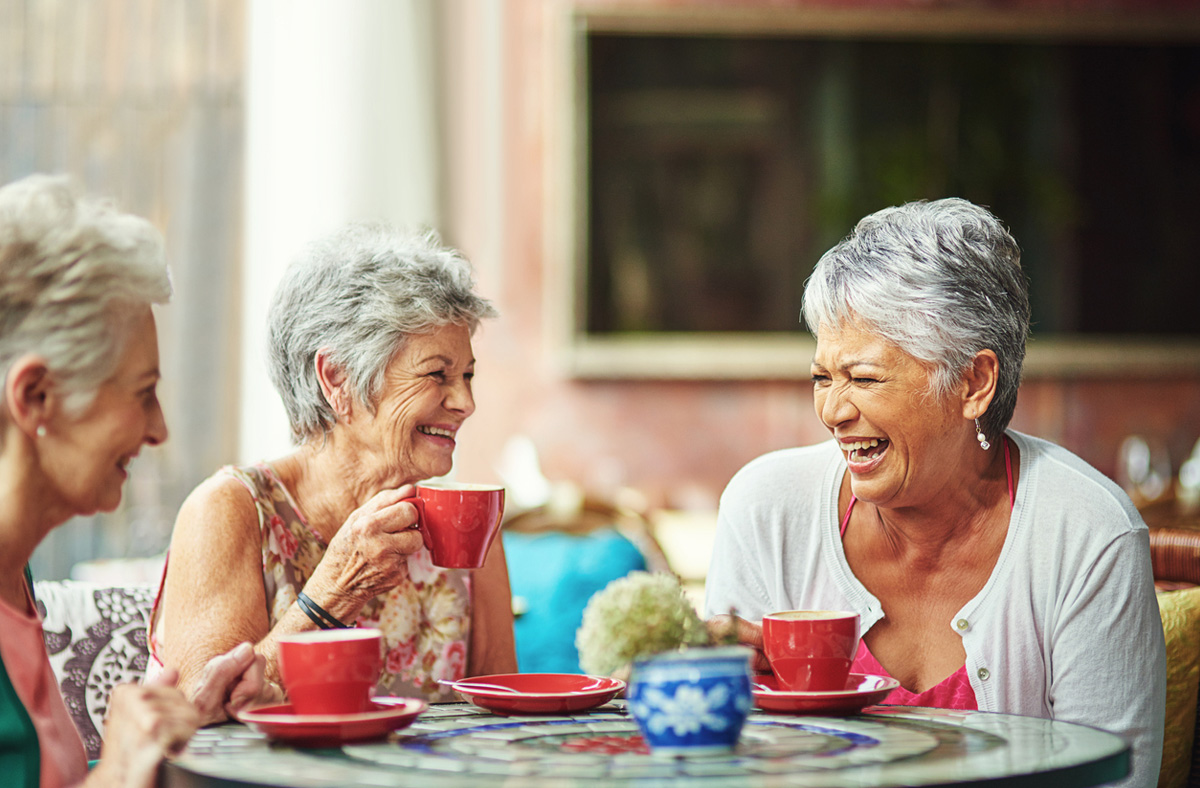
Frequent social interaction
Retirement villages make it easy for residents to participate in social activities by providing a range of on-site events and experiences. Most villages have an activities coordinator whose job is to facilitate recreational activities tailored to the interests and preferences of residents.
Reduced risk of loneliness
Loneliness and social isolation are significant concerns among older people, which can lead to a decline in physical and mental health. Retirement villages reduce the risk of loneliness by seamlessly integrating social opportunities into daily life. Shared spaces, communal dining areas, and organised events all provide an in-built support network for residents.
Physical and emotional wellbeing
Staying social is strongly correlated with better overall wellbeing. Retirement villages, with their emphasis on social interaction and engagement, indirectly promote healthier lifestyles. Engaging in group activities and forming friendships can lead to increased physical activity, better emotional wellbeing, and a more positive outlook on life.
Opportunities for personal growth
Retirement is a time for personal growth and exploration. Retirement villages encourage residents to pursue new hobbies, develop skills, and embark on fulfilling experiences they might not have had time for during their working years.
Intergenerational connections
Many retirement villages actively engage with the local community and encourage intergenerational interactions. From welcoming local school groups to participating in community events, there are plenty of opportunities to socialise with people of all ages.
Conclusion: Retirement villages are more than just places to live!
They are vibrant communities that enhance the lives of residents in numerous ways. By fostering a sense of belonging, providing opportunities for social interaction and engagement, reducing the risk of loneliness, promoting wellbeing, and encouraging personal growth and intergenerational connections, these communities play a crucial role in supporting people as they navigate the journey of ageing.
Stories of friendship and connection
These stories of belonging, friendship, joy, and laughter offer a window into retirement villages in Christchurch and Auckland.
A busy social calendar at Richard Hadlee Village, Northwood, Christchurch
Article sponsored by Ryman Healthcare.
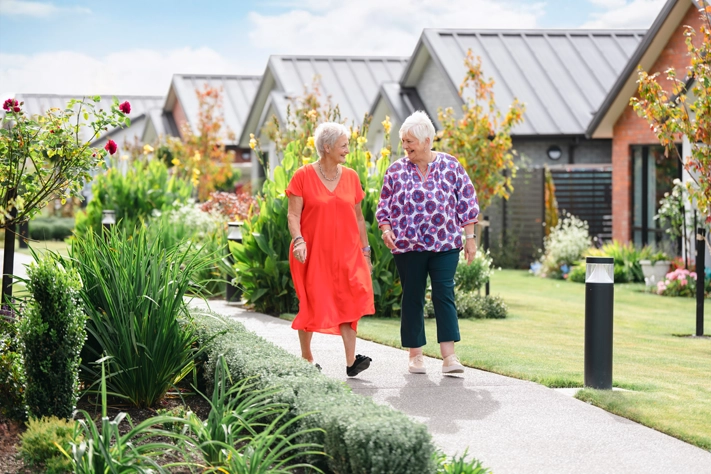
Three years after Jennie Williams and her husband left their ‘forever home’ to move to Ryman’s Richard Hadlee Village, she says it was a "brilliant decision. We haven't regretted it at all." Giving up the garden was a relief, and visiting family in Tauranga is now as simple as "lock up and leave."
Village life has also given Jennie a full social calendar. Her week includes line dancing ("great for cognitive and physical fitness, although I trip over myself more than anything else"), learning Mah Jong, a weekly happy hour, and the occasional Sip and Paint session. "It's such a different lifestyle, but we're not constrained in any way."
Jennie often thinks about people who say they're not ready for village life. "If they just realised how good the lifestyle is. You can do as much or as little as you like, and there are opportunities you don't get at home. When you're in your own place it's easy to sit there and let things go on around you. Here, when things are happening just outside, you think 'I'll go and try that today'."
Read Jennie's storyA warm welcome at Lady Allum Village, Milford, Auckland
Article sponsored by Oceania Healthcare.
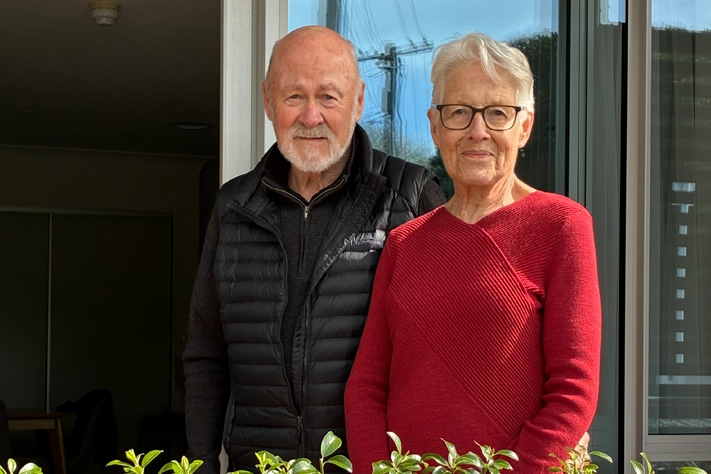
Rod and Judi Barber didn’t know any other residents when they moved into Lady Allum by Oceania in 2025, but say they were welcomed by a "lovely group of people.”
The couple have kept their independent lifestyle, walking often and making regular trips to the local library, while enjoying the social side of village life. “There's always someone to chat to, or to help you out. And we all enjoy a drink in the dining area on a Thursday evening."
Fellow resident Jane Praine has lived at Lady Allum for eight years and says there's always "plenty to do." She teaches other residents golf croquet on the new lawn, enjoys Born Again Bodies exercise classes and goes on the monthly mystery trips, which might head to a museum, an exhibition or an historic homestead.
Learn more about life at Lady Allum

