Retirement village or home care: Which is right for you?
Published August 2026
4 min read
As we age, we may start thinking about where and how we want to live in the years ahead. The family home may begin to feel bigger than you need, friends and neighbours may have moved away, or jobs around the house are becoming harder to manage. The idea of downsizing and moving to a retirement village can be attractive. For others, nothing beats the familiarity of a home you’ve lived in for many years.
There is no right or wrong choice. The best option for you depends on your lifestyle preferences, health needs, finances, and priorities.
Key takeaways
- Retirement villages are designed for people who want to enjoy a secure, low maintenance lifestyle with easy access to amenities, social activities, and support.
- Home care allows you to continue living in your own home while receiving assistance with everyday tasks, household responsibilities, or personal care as your circumstances change.
- The best option for you depends on your lifestyle preferences, health needs, finances, and future plans.
- Take the time to understand your options so you can make an informed choice that supports your independence, wellbeing, and quality of life.
Living in a retirement village
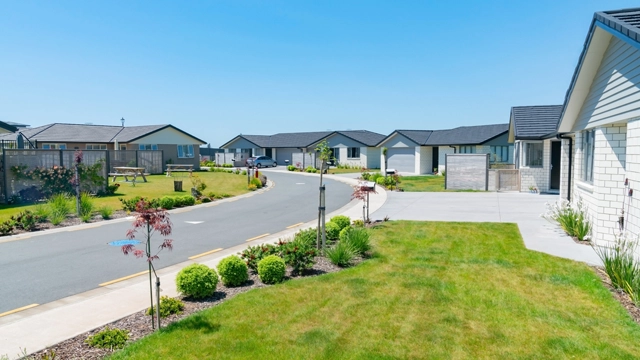
Retirement villages are designed for people who want a low maintenance lifestyle with easy access to amenities and services, and in some cases, future care options. Village residents maintain their independence while living in a community that caters to the needs and interests of people of a similar age and stage in life.
Many people choose a retirement village because they are looking for:
- A more manageable home
- Fewer maintenance responsibilities
- A sense of community
- Companionship and social connection
- Greater security and peace of mind
Villages typically offer:
- Independent living in villas, townhouses, apartments, and sometimes serviced apartments
- Home and garden maintenance that is looked after for you
- Shared facilities like community centres, gyms, and cafes
- Organised social activities
- Accessibility and security features
Some villages have assisted living options to provide additional support as needed. A serviced apartment in a retirement village provides private accommodation together with built-in daily support such as meals, housekeeping and personal care.
If access to care in the future is important to you, some villages offer a continuum of care, meaning residents may be able to move from independent living into assisted living or aged care within the same village. Other villages may only offer independent living, so it’s important to ask what support and care options are available if your circumstances change in the future.
Staying at home with support
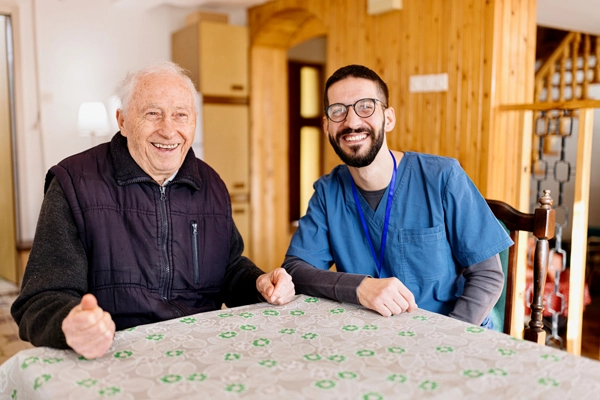
For some people, remaining at home and in a familiar neighbourhood are a priority. Home care allows you to continue living in your own home while receiving assistance with everyday tasks, household responsibilities, or personal care as your circumstances change.
Support can range from a few hours a week to daily assistance, depending on your needs, and can include:
- House cleaning and laundry
- Help with showering and dressing
- Meal preparation
- Nursing care
- Physiotherapy and other health services
- Companionship and social visits
- 24 hour or live-in care
While home care can provide support with many everyday tasks, social connection is also an important factor to consider. People who don’t have regular visitors or community activities can become isolated in their own homes. While government-funded home care focuses on medical, personal care, and household tasks, privately paid for home care services can include companionship and outings.
In the future, if your needs go beyond what support services can provide and you can no longer live safely in your own home, residential care may be required.

A comparison: Retirement village and home care
| Consideration | Retirement village | Home care |
|---|---|---|
| Best suited to | People seeking a lifestyle change and a community of like-minded people. | People who wish to remain in their existing home and neighbourhood. |
| Where you live | In a villa, townhouse, or apartment in a purpose built retirement community. | Your current home or another home that better meets your needs. |
| Social opportunities | Often built into daily life through organised activities and shared spaces. | Relies on existing networks and community connections, private home care can include outings and companionship. |
| Future care pathways | Some villages offer care on site but this varies from village to village and not all levels of care may be available. | Support can be increased at home, although residential care may be needed at some stage if health needs become complex. |
| Costs | Costs vary by village. There are entry payments, ongoing fees, and exit costs. Additional services such as housekeeping, meals or personal care are often available on a user-pays basis. | Government funding may be available to cover essential support services based on your assessed needs. Additional support is paid for privately. Many people use a combination of publicly funded and privately paid home care. |
| Other considerations | Downsizing and settling into a new home and community is a significant transition. | Home care can reduce the need to move immediately, giving you more flexibility around when and if you choose to downsize. |
Making the right choice for you
Margaret, 75, is active, social and looking to downsize. She chooses a retirement village because she wants a simpler lifestyle, access to activities, and the reassurance of future care options.
John, 90, has lived in the same home for decades and wants to stay there for as long as possible. He uses a combination of funded and private home care services to maintain his independence.
Neither choice is right or wrong. They simply reflect different priorities.
The best option for you depends on your lifestyle preferences, health needs, finances, and future plans. Taking the time to understand your options will help you make an informed choice that supports your independence, wellbeing, and quality of life.
Frequently asked questions
How do I decide between a retirement village and home care?
If you enjoy your current home and neighbourhood and want to stay there as long as possible, home care may be a better fit.
If you are ready for a lifestyle change, want a more manageable home, and value built‑in social connection, a retirement village could be the right choice.
Can I get government-funded help to stay at home?
Yes, some people can get government-funded help with household tasks and personal care if day‑to‑day activities have become difficult due to age‑related health issues or disability.
You need a Needs Assessment to find out what support you qualify for, and many people then add privately paid services for extra help or companionship.
Can I receive home care while living in a retirement village?
Yes. People living independently in a retirement village can receive home care services. Depending on the village, support may be provided by the village itself or by an external home care provider. It's worth asking what services are available and whether you can choose your own provider.
Can I start with home care and move to a retirement village later?
Yes. Some people choose to remain at home with support before moving to a retirement village later. Others decide to move earlier while they are still active so they can enjoy the lifestyle and community. There is no right or wrong time—it depends on your health, personal preferences and future plans.