Home Care Explained: Support Services for Older New Zealanders
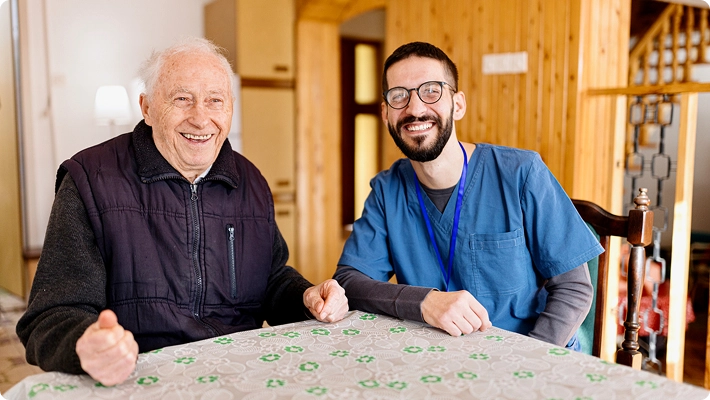
Many New Zealanders choose to stay in their own homes as they get older, but may need assistance with everyday tasks, household responsibilities, or personal care as their circumstances change.
Home care services provide practical support so you can continue living comfortably, safely, and independently in your own home for as long as possible. The amount of support can vary from a few hours each week to more regular assistance, depending on your needs.
Key takeaways
- Home care allows older New Zealanders to continue living safely and independently in their own homes while receiving support tailored to their needs.
- Support can range from occasional help with household tasks through to personal care, nursing services, companionship, and even 24-hour care.
- Home care is available through both publicly funded and privately paid providers.
- Publicly funded home care requires a Needs Assessment and Service Coordination (NASC) assessment to determine what support is appropriate.
- Private home care can be arranged directly with a provider without a NASC assessment and generally offers greater flexibility around services, schedules, and caregiver choice.
- Publicly funded support is focused on essential care needs, while private care can include additional services such as companionship, transport, longer visits, and overnight support.
- Many people use a combination of publicly funded and privately paid home care to create a support plan that best suits their circumstances.
What does home care include?
Home care covers a wide range of services, and support can be tailored to suit your needs and preferences.
Home care services can include:
- Help with household tasks such as cleaning, laundry, meal preparation, and shopping.
- Personal care, including assistance with showering, dressing, getting in and out of bed, eating, and medication reminders.
- Nursing support, such as wound care or help managing medications.
- Companionship, conversation, shared activities, outings, and transport.
- Equipment or small home modifications that can make everyday life safer and easier.
- Live-in or 24-hour care when more ongoing support is needed.
Home care can be more than just practical assistance. Regular social contact, a friendly conversation, or support to stay involved in the community can play an important role in maintaining wellbeing and enjoying life at home.
Who provides home care?
Home care is available through both publicly funded and private providers across New Zealand.
Publicly funded home care is organised by Te Whatu Ora – Health New Zealand, but delivered by a mix of non‑profit, community, and private providers in each region. Most major home care providers deliver both government‑funded and private home care, often using the same staff for both. Caregivers employed by government-funded providers are trained and vetted.
With publicly funded home care, you’ll be assigned a contracted provider in your area. You can request a particular home care provider and caregiver that you already know if the provider has a contract with Health New Zealand.
For private home care, you can choose your provider and they will match you with a caregiver who fits your criteria. If you do not feel comfortable with the assigned caregiver, you can request the provider to send someone else.
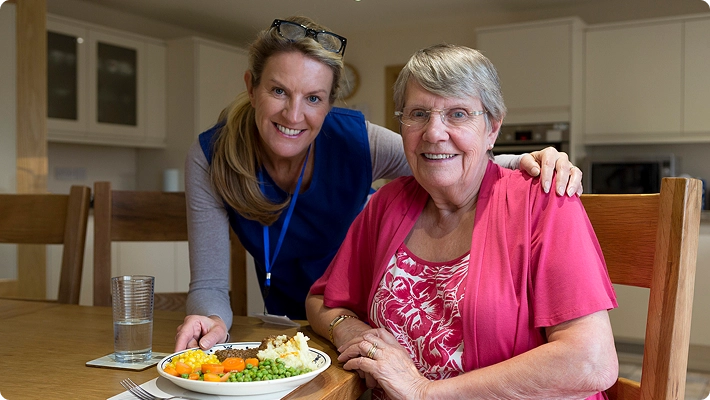
How publicly funded home care works
Publicly funded age-related home care in New Zealand is coordinated through Te Whatu Ora – Health New Zealand and is arranged through a Needs Assessment and Service Coordination (NASC) assessment.
You can get a referral from your GP, a hospital discharge nurse, or you can refer yourself by contacting your local NASC agency directly. A person from your local NASC team will come to your home to assess you. During the assessment, a coordinator will talk with you about:
- What you can comfortably manage on your own
- Tasks that are becoming more difficult
- Any personal care needs
- Household tasks you may need help with
- Mobility, memory, and general safety
- Support you already receive from family, friends, or community groups
The purpose of the assessment is to understand your situation and determine what support may be appropriate. You can invite your family, friends, or a support person to come to your assessment. If services are approved, a support plan is created based on your individual needs.
Publicly funded care is generally focused on providing essential assistance that helps you remain safely at home. The amount of support varies from person to person and is based on assessed need.
The NASC team will review the help you’re getting at least once a year and you can request a reassessment at any time if your needs change.
How privately paid home care works
Private home care can be arranged directly with a provider and does not require a NASC needs assessment first.
You can find local private providers through the Healthpoint Community Health and Social Services directory. The provider will send someone to meet with you (and your family or another support person if you wish) in your home to discuss your needs. A personalised care plan is created and you are matched with a caregiver.
Many people choose private care because it can often be organised more quickly and offers greater flexibility. Support can be tailored around your schedule, preferences, and lifestyle.
Private home care may include:
- Additional hours of support
- Longer visits
- Regular companionship
- Transport to appointments or social activities
- Overnight or live-in care
Some people use private care on its own, while others combine it with publicly funded services.
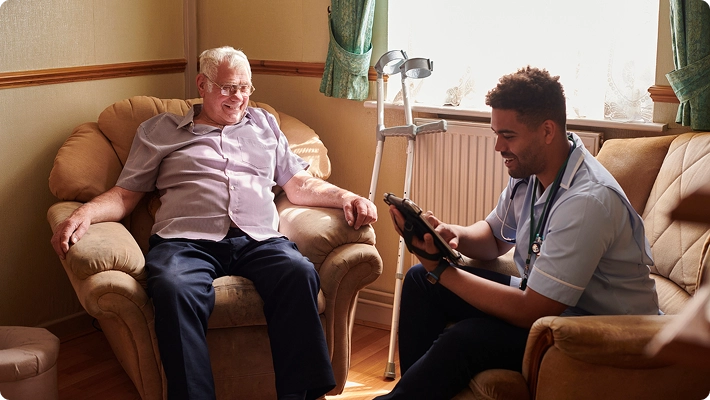
Publicly Funded and Private Care: What's the Difference?
The main difference between publicly funded and private home care is how the services are arranged and the level of flexibility available.
Publicly funded home care:
- Requires a NASC needs assessment
- The amount of support you receive depends on your assessed needs
- Focuses on essential support services
- May have limits on the number of funded hours available
Privately paid home care:
- Can be arranged directly with a provider
- Offers greater flexibility around hours and services
- Can more easily include companionship and social support
- Is paid for privately unless another funding source applies
- You can choose any provider in your area
Many people use a combination of publicly funded and privately paid support to create a home care arrangement that suits their circumstances.
Summary
Home care is designed to support you in living well at home for as long as you choose. Whether you need regular help with household tasks, personal care, nursing support, or simply a little extra assistance from time to time, there are a range of options available.
Understanding what services are available in your region and how they are funded can make it easier to find the support that fits your needs, preferences, and budget.
Frequently asked questions
What is home care?
Home care is a range of support services delivered in your own home to help you maintain your independence, safety, and quality of life. Services can include household assistance, personal care, nursing support, companionship, and transport.
Who is eligible for publicly funded home care?
Eligibility is determined through a Needs Assessment and Service Coordination (NASC) assessment. The assessment considers your health, mobility, personal care needs, living situation, and the support you already receive from family and friends.
How do I arrange a NASC assessment?
You can be referred by your GP, a hospital discharge team, or contact your local NASC agency directly to request an assessment.
Can I choose my home care provider?
If you are paying privately, you can choose any provider operating in your area. For publicly funded services, a contracted provider is usually assigned, although you may be able to request a specific provider if they hold a contract with Health New Zealand.
How much home care support can I receive?
The amount of support varies depending on your needs. Publicly funded support is based on assessed need, while private care can generally be arranged for as many hours and services as you choose to purchase.
Can I combine publicly funded and private home care?
Yes. Many people receive publicly funded support for essential care needs and supplement it with privately paid services for additional assistance, companionship, or greater flexibility.
Is home care only for people with high care needs?
No. Home care can be helpful for anyone who needs assistance with everyday tasks, whether that's a few hours of household help each week or more regular personal and nursing care.
How often is publicly funded home care reviewed?
Your support plan is typically reviewed at least annually, but you can request a reassessment at any time if your needs change.
For more information visit:
New Zealand Government: Help in your home