What is a rest home?
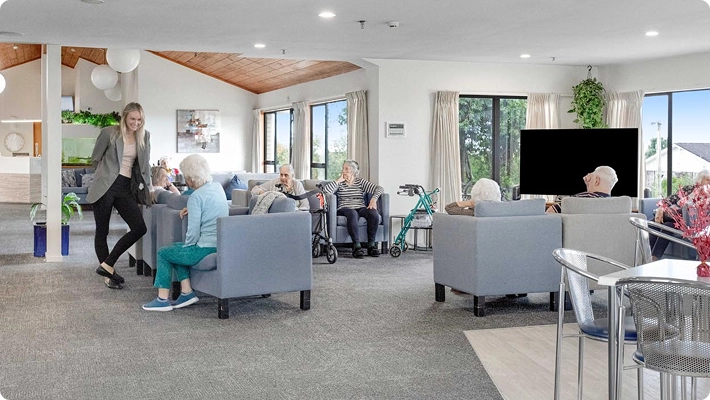
A rest home is a live-in setting for older people who can no longer live independently and require some level of care. Rest homes provide accommodation, meals, personal care, and 24-hour support. Rest homes are also sometimes referred to as care homes, nursing homes, residential care or aged care facilities.
Key takeaways
- Rest homes vary widely in size, location, care levels, and amenities.
- In New Zealand, there are four main levels of care provided in rest homes: rest home care, hospital care, dementia care, and psychogeriatric care.
- Rest home care is the lowest level of care available and is typically suited for those who require daily assistance but still have some mobility.
- Before entering a rest home, a needs assessment is done to identify if the person needs ongoing residential care and the level of care required.
- Depending on asset and income thresholds, some residents may qualify for a rest home subsidy to help cover costs.
What is the difference between a rest home and a retirement village?
Rest homes and retirement villages cater for people with different needs. They have different admission criteria, lifestyle offerings, and financial considerations. However a rest home can be located within a retirement village, and this is quite common. Roughly two-thirds of villages in New Zealand have dedicated care facilities.
If a person can no longer live independently and needs significant care and support, that care is provided in a rest home. Before entering a rest home, an assessment by a Heath New Zealand approved assessor is done to determine the person’s needs and the level of care required.
There are four levels of full-time residential care in New Zealand: rest home care, hospital care, dementia care, and psychogeriatric care. Providers may offer more than one of these levels of care within the same facility. Rest homes in New Zealand are contracted by the government to provide residential care and there is an upper limit to what they can charge which is called the ‘maximum contribution’. The maximum contribution covers contracted care services for residents receiving rest home level care. This amount is set annually and varies by location.
The residential care subsidy contributes to the cost of living in a rest home, but to be eligible a needs assessment must be completed and certain criteria must be met including a financial means assessment. The subsidy is paid by the Ministry of Health directly to the residential care facility (rest home).
If a resident requires a higher level of care, such as hospital or dementia level care, the additional cost beyond the maximum contribution is covered by a 'top-up' subsidy. This subsidy is funded by the Ministry of Health and is available to all residents, regardless of whether they receive a government subsidy or are paying privately, and is paid directly to the care provider.
Levels of care
Rest homes provide 24-hour care for older adults who can no longer live independently. The level of care a person needs depends on their health, mobility, and cognitive function. Some rest homes provide only one type of care, while others offer multiple levels. Care ranges from rest home and hospital level care to more specialist care, including secure dementia and psychogeriatric care. Rest home care is the entry level of care. Day care and short-term respite care may also be provided.
Rest home care is for older adults who can no longer manage independently in their own home. Trained caregivers and registered nurses provide assistance with daily living tasks, from personal hygiene and medication management to meals and social engagement.
Hospital care caters for older people who need nursing due to illness or disability. Hospital care within a rest home is very different from care provided in public hospitals. For example, doctors are not on duty 24/7, nor is there specialised rehabilitation. Hospital residents tend to be immobile and may also have cognitive issues.
Dementia care is specialised care and support for people with dementia. There are various levels of dementia care available across different care facilities in New Zealand. Most will have a dedicated unit and specially trained staff. Those offering higher levels of dementia care will offer secure facilities. As dementia affects different people in different ways, not all residents with dementia require specialised dementia level care. Some may initially reside in a rest home setting with appropriate support.
Psychogeriatric care caters to residents with high dependency needs and challenging or disruptive behaviours. These behaviours can stem from dementia, an age-related disability combined with a mental health condition, or a combination of both. Facilities that cater for psychogeriatric residents will have trained staff and maintain a minimum of two staff members on duty.
Respite care is short-term care for people who normally live at home with in-home care but require temporary support or for those whose usual carer may be away or needing a break. People may also seek respite care following an operation, illness, or accident. There are different levels of respite care to meet different needs. The length of stay in respite care can vary from one day to more than a month and funding is determined by the needs assessment and financial means testing.
Day care in a rest home provides a structured and supportive environment for older adults during the day, while they continue to reside in their own homes at night. It offers a mix of social interaction, planned activities, and supervision, catering to individuals with varying needs and preferences.
What is it like to live in a rest home?
Living in a rest home offers a secure, structured environment with 24/7 care, social opportunities, and tailored support. Rest homes provide regular scheduled meals, assistance with personal hygiene and medication management, support from trained caregivers and registered nurses, and a range of activities to encourage social interaction and help reduce loneliness.
Visits from a General Practitioner (GP) are provided as are medicines prescribed for you by your GP (but only those that are subsidised by Pharmac). Nursing care, dressings, continence supplies or other products used in your treatment are also provided.
Equipment that helps you get around, such as wheelchairs or walking frames, is supplied, as is clinical or other equipment that helps with your personal care, such as hospital beds and hand rails.
The rest home will arrange transport for medical or health reasons, for example, to and from an appointment at a public hospital, and someone to accompany you to health appointments if your family or friends are not able to.
Rest homes provide entertainment and opportunities for socialising, such as a craft room, library, gardening areas, computer room, board games, piano, exercise classes, or movies. Some rest homes may also organise shopping trips and other social outings.

What is a standard versus a premium room?
Every rest home is different, but most offer standard or premium rooms, or a combination of both.
Standard rooms are usually single rooms with space for a single bed and a few small items of personal furniture such as an armchair and a television. The residential care subsidy is available for standard rooms.
Premium rooms have additional features, for example, an ensuite, more space, or garden access. Fees for premium rooms differ depending on the rest home and can vary widely, from $15 per day to over $100 per day. The residential care subsidy will cover up to the cost of standard room fees, but residents will need to pay the additional premium room fees.
What is a care suite?
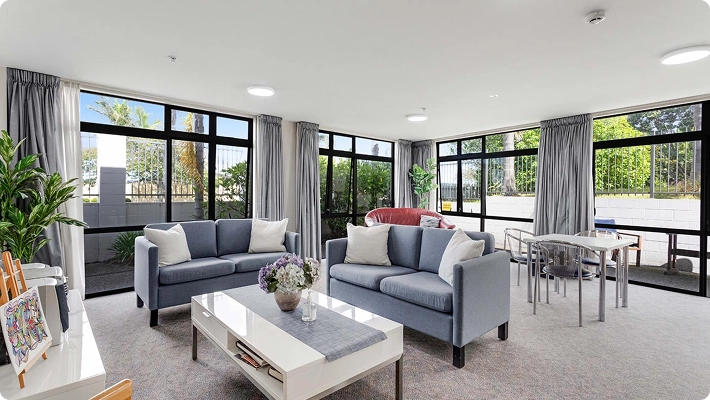
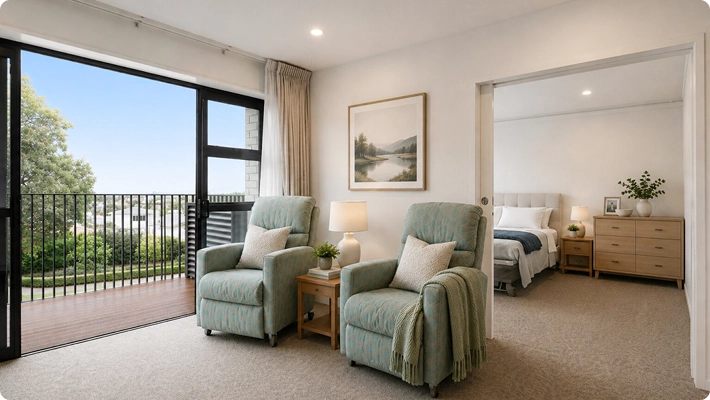
A care suite is a studio or one bedroom apartment within a care facility. Living in a care suite feels much like iving in your own private apartment. They offer spacious, contemporary interiors, an ensuite and small kitchenette, and come furnished with a hospital bed and modern furniture. You can also bring your own furniture if the space can accommodate it.
Most care suites cater to both rest home and hospital level care. Some facilities also offer dementia level care within their care suites, although this varies depending on the facility.
Residents typically occupy a care suite under what is known as an Occupation Right Agreement (ORA). This is the same type of agreement signed by most residents living independently in a retirement village. Care suites in retirement villages usually involve an upfront capital payment and a daily care fee, however some care suites may offer a premium room charge as an alternative to the Occupation Right Agreement.
If you are eligible for it, the residential care subsidy can help cover the daily care costs up to the maximum contribution. However, it does not cover any additional accommodation or premium charges associated with the care suite.
How are rest homes are governed?
Rest homes are governed by the Ministry of Health and Health New Zealand (Te Whatu Ora) under the Health and Disability Services (Safety) Act 2001, ensuring quality care and compliance with mandatory national standards. They must be certified, audited regularly for safety and quality (often unannounced), and operate under a national contract (ARRC Services Agreement) for those receiving subsidies.
Summary
Rest homes provide comfortable, safe accommodation that offer privacy and support for older people with healthcare needs or difficulty with daily tasks. They vary widely in size, location, care levels, and amenities. Understanding the options available and asking the right questions will give you peace of mind when choosing a rest home.
Frequently asked questions
What is the difference between a rest home and a retirement village?
A retirement village is designed for people who can live independently, while a rest home provides accommodation and 24-hour care for people who need ongoing support with daily living.
Who is eligible for rest home care in New Zealand?
A person must undergo a needs assessment through Health New Zealand to determine whether they require ongoing residential care and what level of care is appropriate.
How much does it cost to live in a rest home?
Costs vary depending on the region, room type, and care needs. Some residents may qualify for the residential care subsidy, which helps cover the cost of care.
What levels of care are available in a rest home?
There are four main levels of residential care in New Zealand: rest home care, hospital care, dementia care, and psychogeriatric care.
What is a premium room in a rest home?
A premium room offers additional features such as an ensuite, more space, or garden access. Residents pay an additional daily charge for these features.
Can I receive government funding for rest home care?
Depending on your needs assessment, assets, and income, you may be eligible for the residential care subsidy to help cover the cost of care.