
A recent study by Village Guide sheds light on how older New Zealanders and their families navigate the decision to move into a retirement village.
The research, based on a comprehensive online survey, captured the views of both prospective residents (aged 65+) and family members (aged 45+), revealing what motivates people, what holds them back, and the types of information they look for along the way.
“This research helps us understand not only the practical drivers but also the emotions behind such a significant move,” says Paula Bishop, Founder of Village Guide.
When people start thinking about a move
Around one in ten New Zealanders aged 65+ already live in a retirement village, and another 12% are considering moving into one. Of those considering a move, 80% expect to move within five years.
The findings show that the idea often starts forming from age 60, but actual moves tend to happen later — around age 70 and beyond. Villages are home to many in their 80s (21% of residents are aged 80 to 84 and 28% are aged 85+), making those over 80 the largest group.
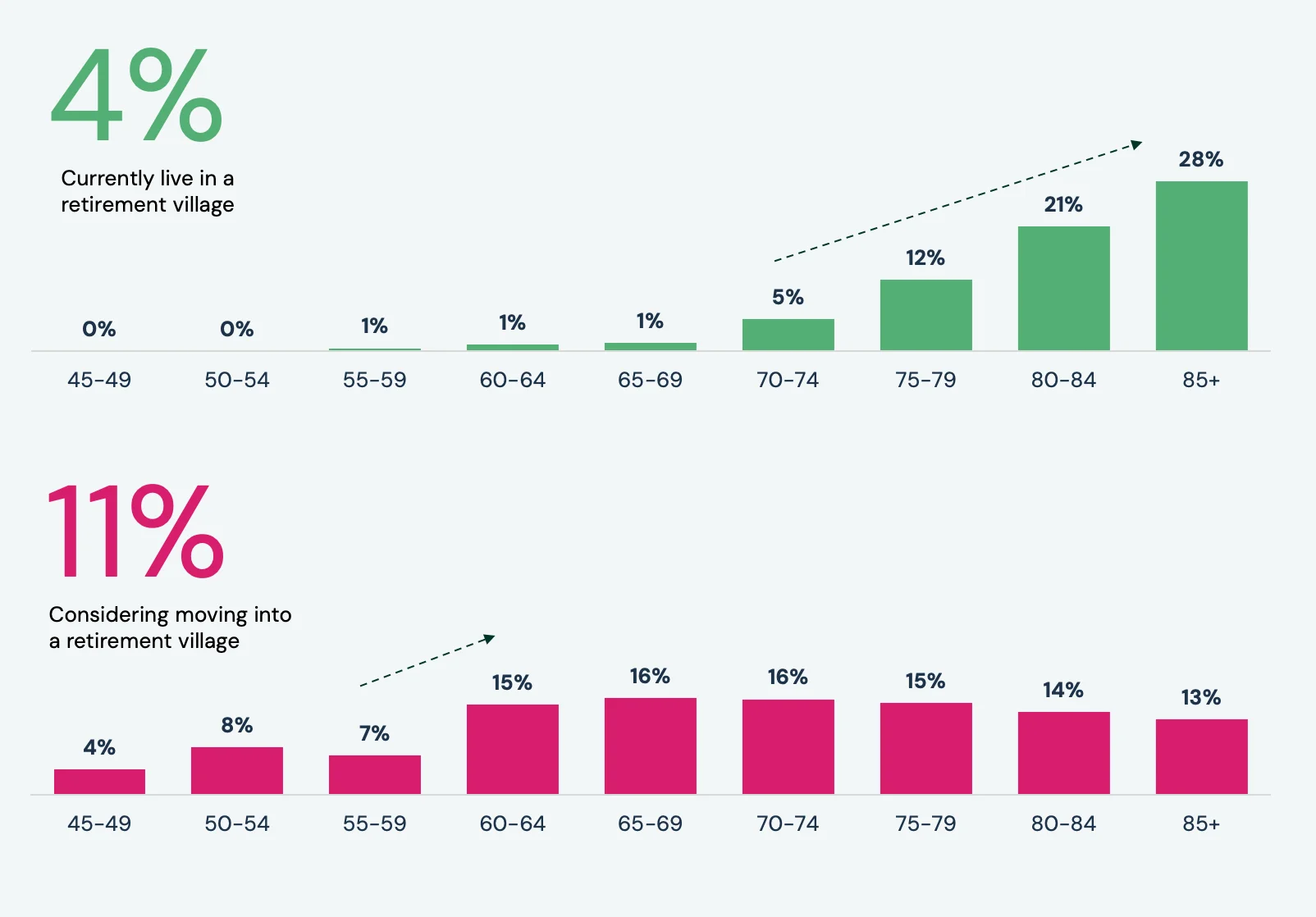
Base: Adults aged 45+ in New Zealand, Nationally representative (N=4,783).
At present, just over a quarter of prospective residents aged 65+ are ‘just thinking about it’, while almost half have already started researching. As people move through the information gathering stage, the time until a move shortens.
For those ‘just thinking about it’, the average time until a move is 3.2 years, with 40% expecting to move in four to five years. Once people progress to researching options, the average time shortens to 2.6 years. This continues to decrease as they move to narrowing down options and ultimately deciding on a village.
“We see a long consideration phase,” explains Paula. “People may think about the idea for years, but once they begin researching in earnest, decisions tend to come faster.”
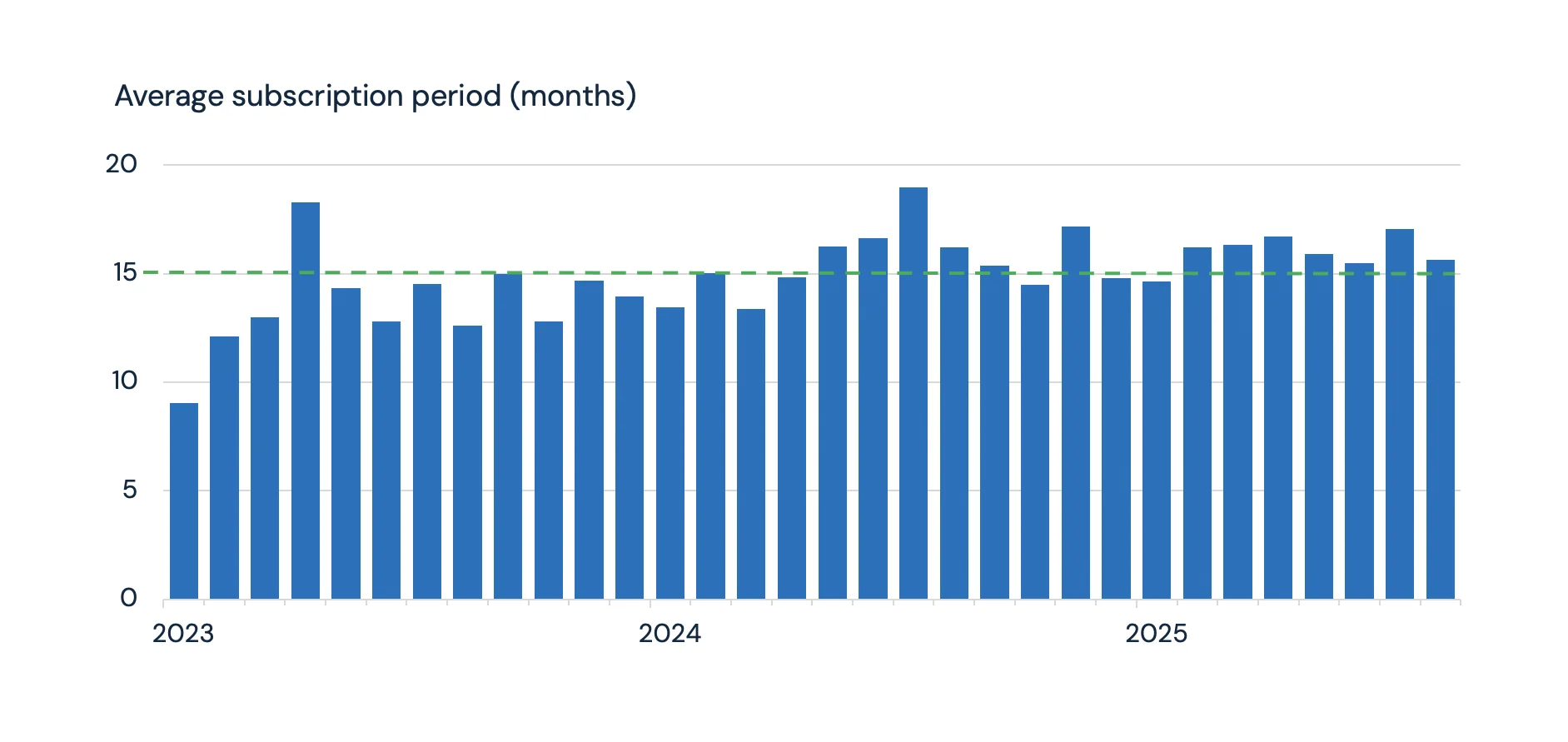
How long subscribers stay on the Village Guide email list
What sparks the conversation
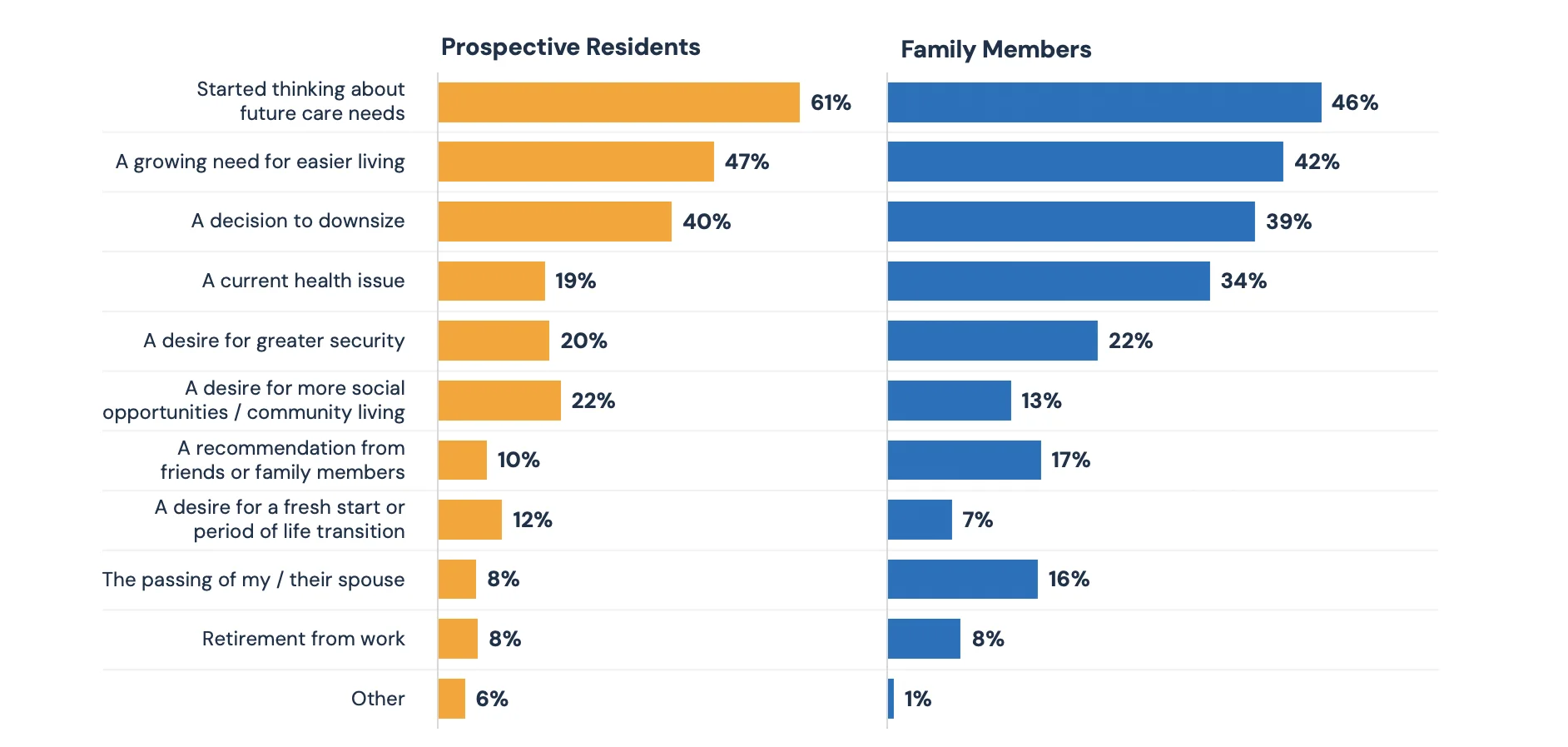
For prospective residents, the biggest trigger is thinking about future care needs (61%). Other drivers include a growing need for easier living (47%) and downsizing (40%).
For families, future care needs (46%) and the need for easier living (42%) are the main triggers.
What was the initial trigger for you to start thinking about moving into a retirement village?
“Families often act as catalysts,” says Paula. “A health scare or change in circumstances can suddenly bring the conversation to the forefront.”
What gets in the way
Among non-considerers aged 65+, the biggest barrier is not feeling ready to leave their home (70%). Other worries include:
- Financial and legal complexity (36%)
- The belief that village life won’t suit them (35%)
- The cost of living (35%)
- Being too far from family or community (34%)
Hidden fees and unclear costs are a sticking point for both prospective residents and family members. The current property market is also influencing decision-making, with many (29%) delaying a move until conditions improve.
“The sense of ‘not being ready’ is natural,” says Paula. “But when combined with financial complexity, it can easily push the decision further down the road.”
What people want to know
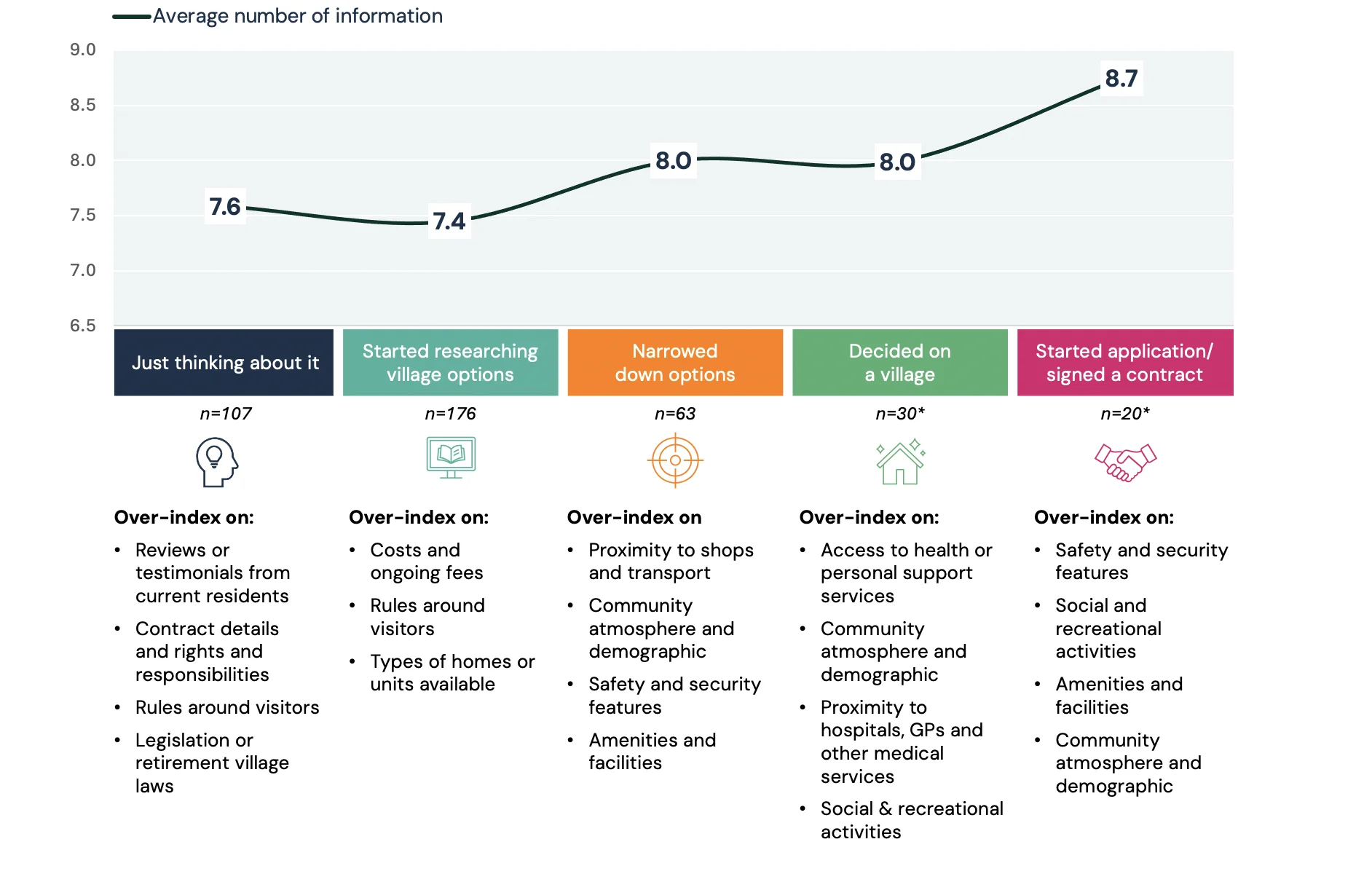
The need for information grows as people get closer to making a move. At the start, it’s mainly about costs, types of homes, and contract terms. Later, lifestyle factors take centre stage: community feel, activities, amenities, safety, and location. Families also focus strongly on healthcare access.
What information is most important when investigating retirement village options?
Despite a lot of information being available in villages disclosure statements, many still find cost structures, exit conditions, and care pathways unclear. Transparency here could make a big difference.
“People want honest, clear information so they can make confident decisions for themselves and their families,” says Paula.
At Village Guide, we’re introducing new features to make retirement village information clearer and easier to compare.
One of these is our comparison tables, where people can select multiple villages and see them side by side. The tables highlight key details like dwelling types, levels of care, and deferred management fees - helping prospective residents quickly understand their options.
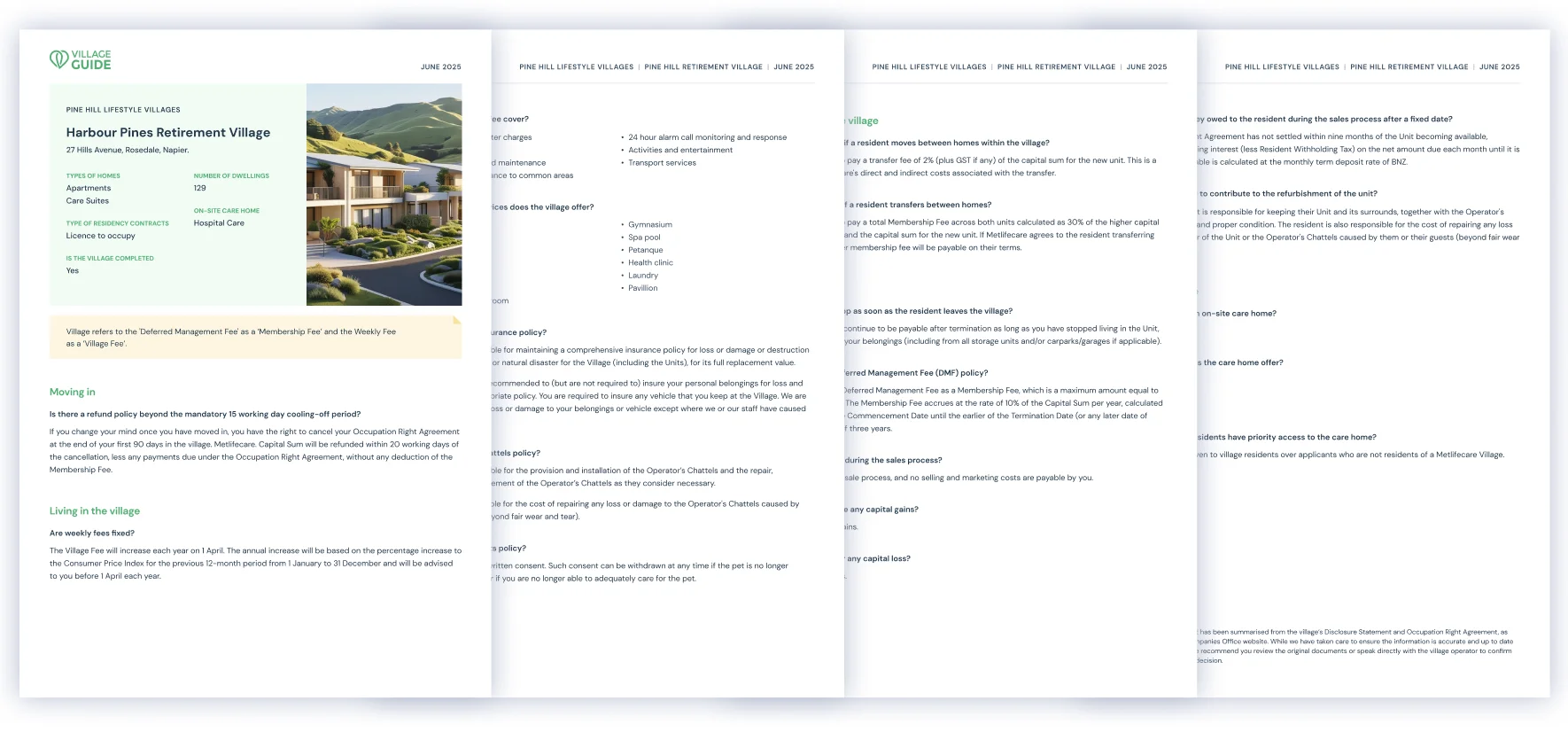
We’ve also created village summaries. These are four-page, plain English overviews of a village’s disclosure statement. They explain the things people most want to know, including weekly fees (what’s covered and how they increase over time), insurance and chattel policies, transfer processes, and exit costs.
Because Village Guide is independent, we can present this information in a consistent way across all operators, making it easy to compare villages fairly. Some of New Zealand’s largest operators have already recognised the value of this and are working with us to make their summaries available.
Trust matters most
When choosing an operator, trust is consistently a key factor. People also value a wide range of services and good-quality homes, but it’s transparency — especially around costs and exit terms — that often tips the balance.
“Operators who communicate clearly and stand by fair terms are the ones who will earn lasting confidence,” says Paula.
Read the full report
Behind every move to a retirement village is a mix of practical, financial, and emotional considerations. Our research unpacks these complexities to help you see the full picture.
Further reading
The costs of living in a retirement village


